
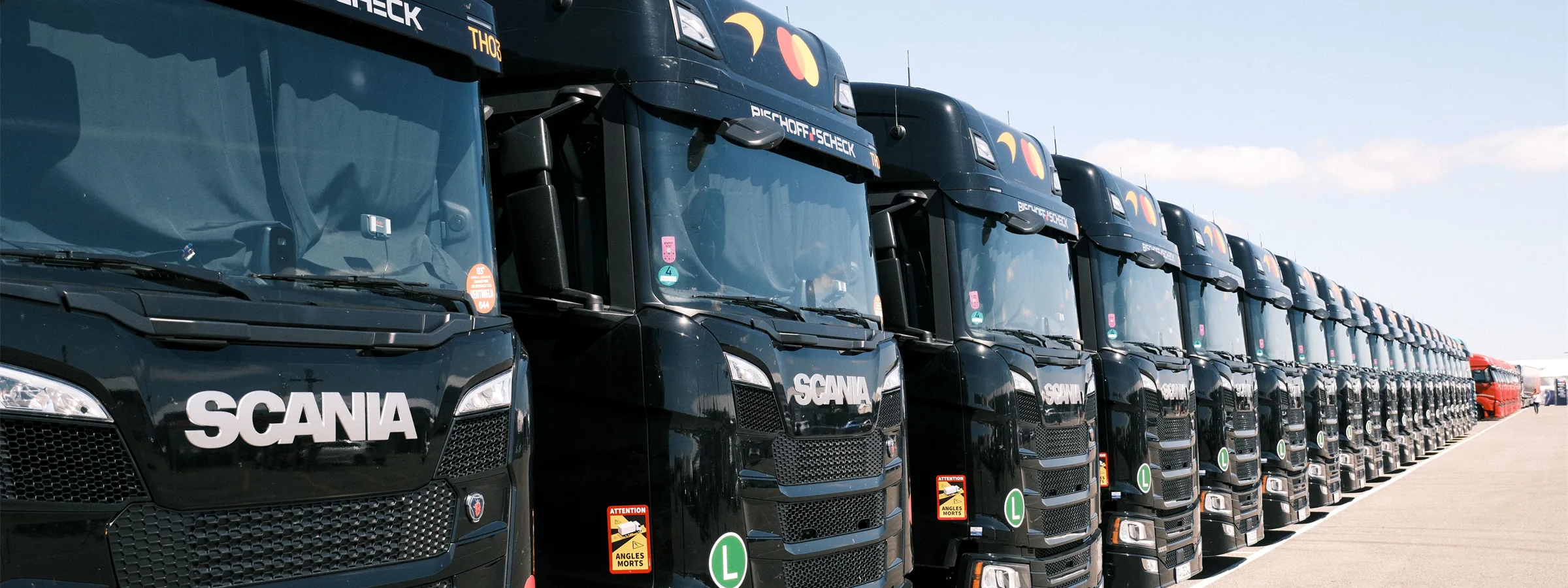
When a business purchases a car, truck, bus or another commercial vehicle, defects and deficiencies can have serious financial consequences. A vehicle that cannot be used in the business may result in loss of production, cancelled transport assignments, the cost of replacement vehicles and lost customer contracts.
KONTAKTA OSS FÖR JURIDISK RÅDGIVNING
Advantage Law Firm assists haulage companies, transport operators, construction companies and other businesses in disputes arising after the purchase, leasing or repair of vehicles. We represent businesses in negotiations, claims against sellers and repair workshops, and court proceedings when an agreement cannot be reached.
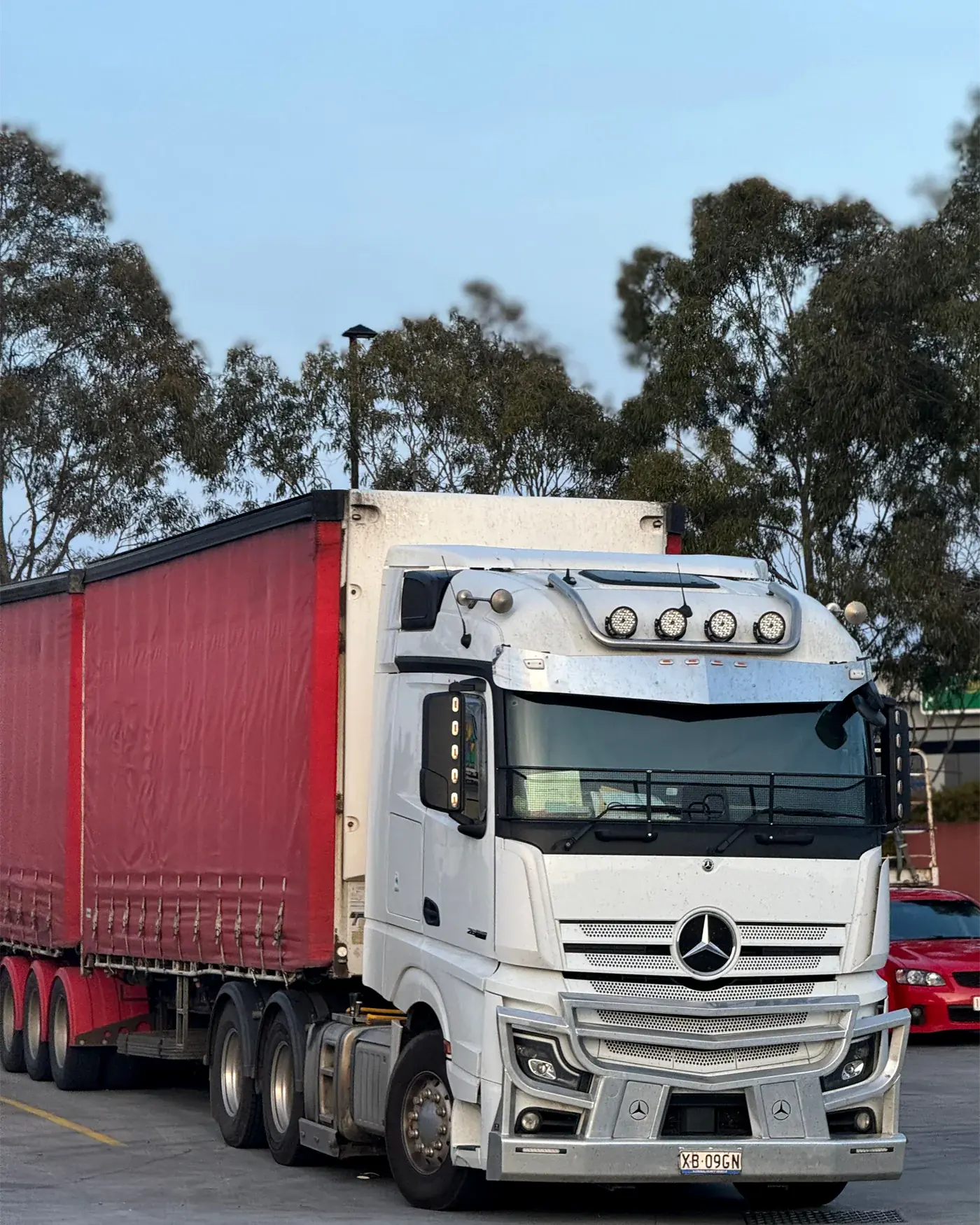
For a haulage or transport company, its vehicles are a central part of the business. When a truck, tractor unit, bus or transport vehicle does not function as promised, the consequences may therefore be significantly greater than the cost of the repair itself. A breakdown may mean that transport assignments must be cancelled, that the company needs to hire a replacement vehicle or that contracts cannot be performed. The company may also face contractual penalties, lost customers and reputational damage. Disputes often arise when the seller maintains that the defect is due to normal wear and tear, inadequate maintenance or improper use, while the buyer considers that the vehicle was already defective at the time of purchase. In such situations, a careful review of the purchase agreement, warranty terms, service history, technical reports and the information provided before the purchase is required.
Advantage Law Firm assists businesses in investigating liability and assessing which claims may be brought against the seller, supplier, repair workshop or another contracting party.
The purchase of trucks, buses, construction machinery and other heavy vehicles often involves substantial investments. The vehicle may also be specially adapted for a particular business, for example through bodywork, refrigeration units, cranes, hook-lift systems or other specialised equipment.
Common problems following a vehicle purchase may include:

The fact that a vehicle is used does not mean that the buyer must accept every defect. The assessment is influenced by factors including the vehicle’s age, mileage, price, intended use and the information provided by the seller.
When one business purchases a vehicle from another business, different rules normally apply than in a consumer purchase. The purchase agreement and the specific terms agreed between the parties are therefore of considerable importance.
A vehicle may be defective if it does not conform to the agreement, if it differs from information provided by the seller or if it cannot be used for the purpose of which the seller was aware at the time of purchase. The fact that the vehicle was sold “as is” may also be relevant. Such a clause does not always release the seller from liability. Liability may still arise if the seller provided incorrect information, withheld material information or if the vehicle is in substantially worse condition than the buyer could reasonably have expected.
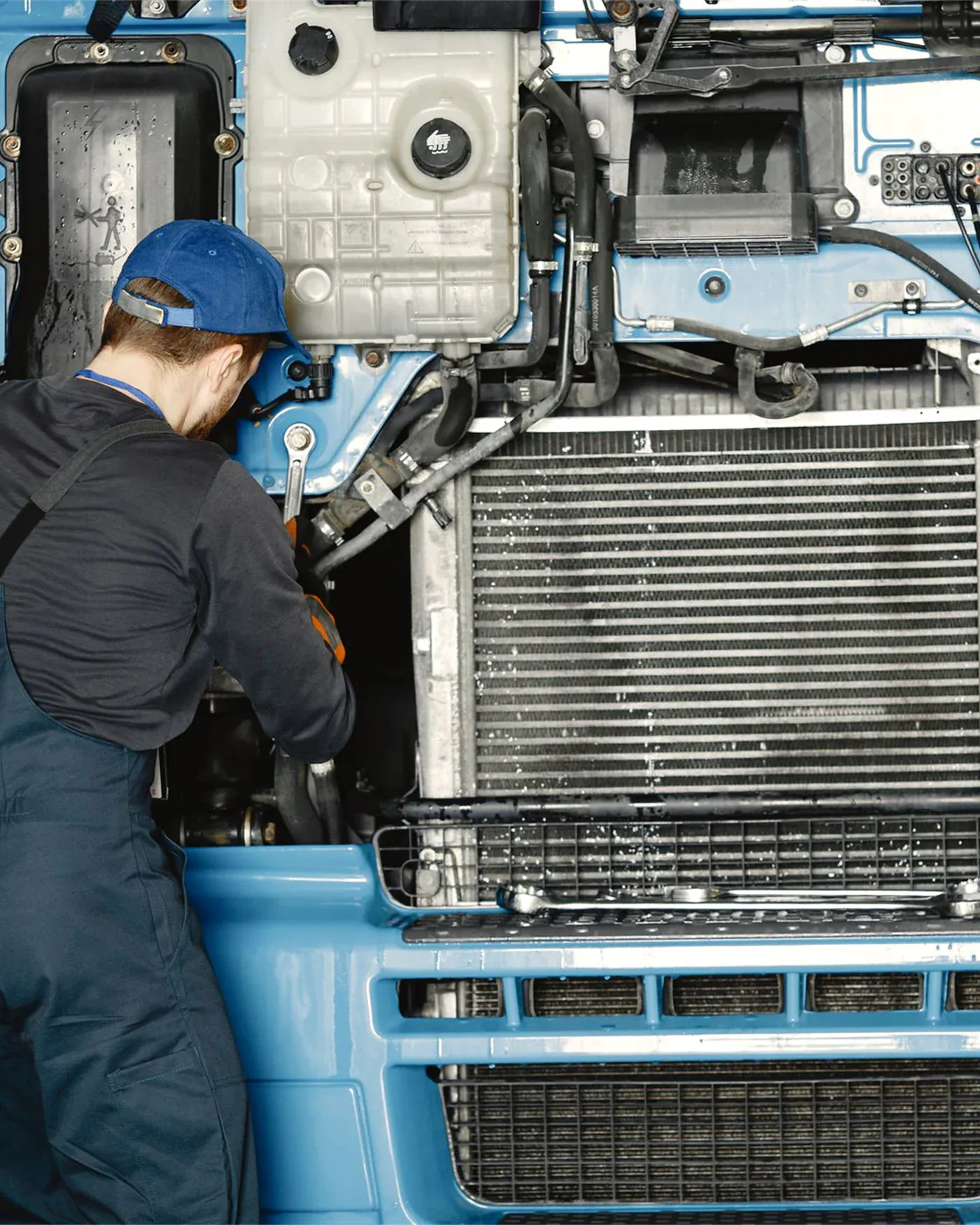
A business that discovers defects in a purchased vehicle should notify the seller as soon as possible. In business-to-business transactions, the requirements regarding notification are often shorter and stricter than in consumer purchases.
The notification should be made in writing. A lawyer can assist in drafting the notification, preserving evidence and assessing which claims should be made.

In many situations, the seller has the right to attempt to repair or otherwise remedy a defect before the buyer may demand more extensive remedies. The buyer must therefore normally give the seller a reasonable opportunity to inspect and repair the vehicle. However, the seller’s right to remedy is not unlimited.
If the same defect recurs, the repairs take too long or the remedial work causes significant disruption to the business, the buyer may be entitled to pursue other claims. For a transport company, even a short period of downtime may cause substantial financial loss. It is therefore important to document how long the vehicle has been out of service and the consequences for the business.

If the defect is not remedied, the buyer may in certain cases be entitled to a price reduction. The price reduction should normally correspond to the difference between the vehicle’s value as agreed and its actual value in its defective condition.
The cost of repair may be an important factor in the assessment, but it is not always decisive for the amount of the price reduction. The vehicle’s age, market value, usability and any remaining risks may also affect the assessment. We assist businesses in calculating and presenting claims for price reductions and in determining whether technical valuations or expert opinions are required.

Termination means that the purchase is reversed. The buyer returns the vehicle and the seller repays the purchase price. As termination is a far-reaching remedy, the defect must normally be of material importance to the buyer.
The following circumstances may be relevant to the assessment:
It is important that a claim for termination is made correctly and at the appropriate time. If the buyer continues to use the vehicle for a lengthy period or carries out extensive repairs independently, this may affect the right to terminate the purchase.
A defective vehicle may cause costs that extend far beyond the repair itself. A haulage or transport company may, for example, need to hire a replacement vehicle, engage a subcontractor or decline assignments.
Depending on the agreement and the circumstances, a claim for damages may include:

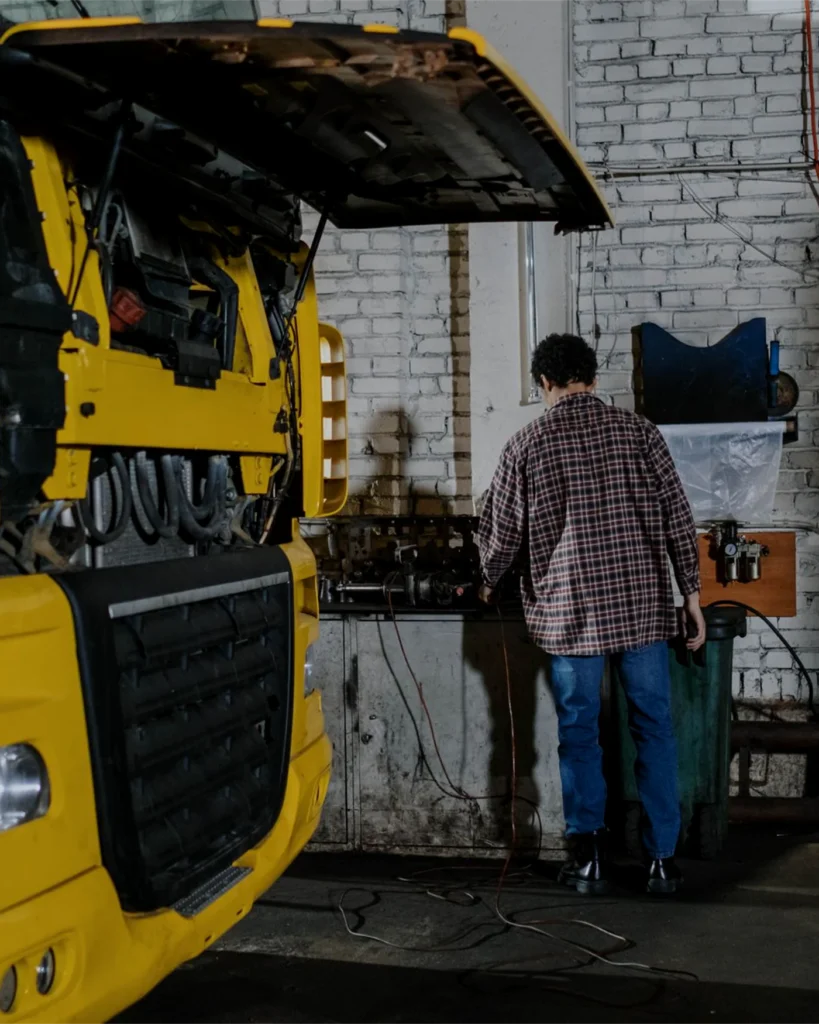
Businesses may also become involved in disputes with a repair workshop following repairs or servicing. The dispute may concern a repair that did not remedy the defect, new damage that arose or costs that became significantly higher than agreed.
Common workshop disputes concern:
We assist businesses in assessing whether the workshop performed the service professionally and whether there are grounds to demand remedial work, a price reduction or damages.
A business purchasing a vehicle is normally required to inspect it and react to visible or suspected deficiencies. If the buyer has inspected the vehicle or declined an offered inspection, the ability to rely on certain defects at a later stage may be limited.
However, the buyer is not normally expected to discover defects that can only be established through extensive technical dismantling or matters for which the seller has provided express warranties.

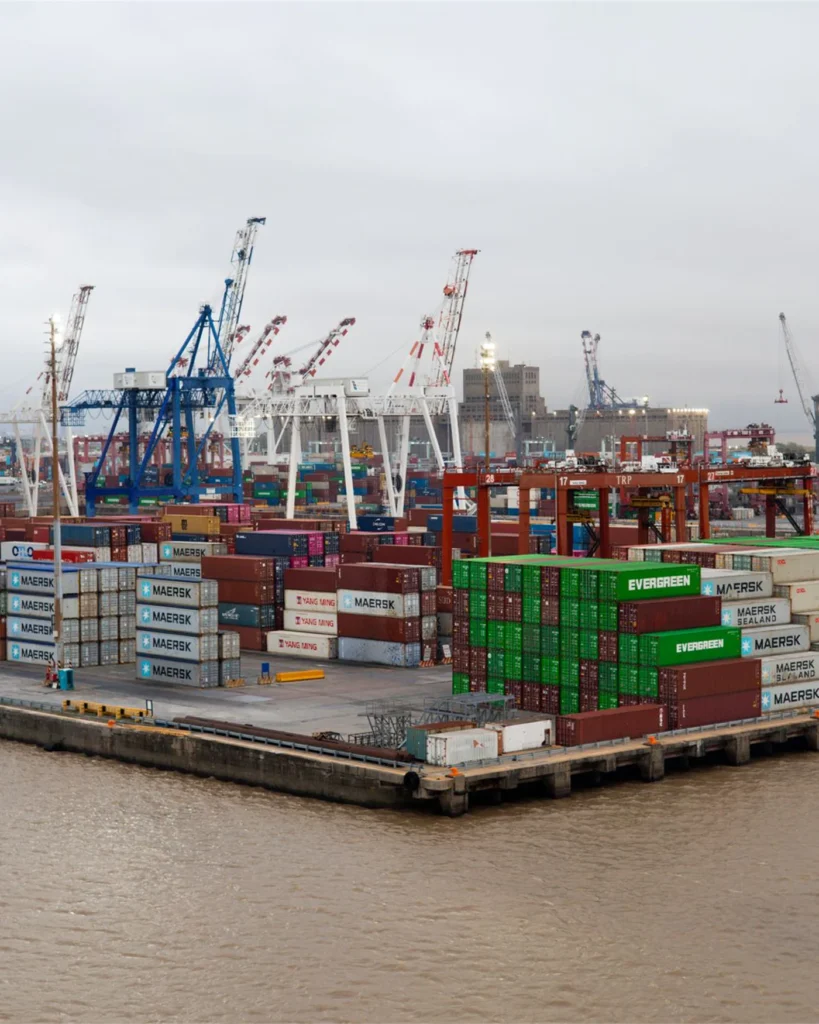
Businesses increasingly purchase trucks, buses, construction vehicles and other vehicles from foreign sellers. International purchases may raise questions about which country’s law applies,where a dispute should be heard and how a claim can be pursued against a foreign counterparty.
We assist businesses in analysing the agreements and assessing the legal measures available in cross-border vehicle disputes.

A vehicle dispute between businesses often requires both legal and technical analysis. A lawyer can assist with:
Advantage Law Firm represents both buyers and sellers in commercial vehicle disputes. We adapt the strategy to the value of the vehicle, the scope of the dispute and the effect the defect has on the company’s business operations.

We assist businesses in matters including:

We analyse not only the technical defect but also how the downtime affects the company’s assignments, customers, staff and finances.
We identify risks, evidentiary issues and possible solutions and develop a strategy tailored to the company’s commercial objectives.
We seek to resolve the dispute through negotiation where possible, but we also represent the company in court or arbitration when required.
We represent both buyers and sellers with tailored legal advice, negotiation support, and representation in commercial vehicle disputes.

We review the purchase agreement, advertisements, warranty terms, service records, workshop reports and communications between the parties.
We assess whether the vehicle is defective, whether notification was made in time and which claims may be brought or need to be defended.
We prepare a legally substantiated demand letter and negotiate with the counterparty in an effort to reach a prompt and commercially sound resolution.
If the dispute cannot be resolved through negotiation, we represent the company in the continued legal proceedings.
Speak to a Lawyer in Stockholm Today
Get clear legal advice within minutes. Confidential consultation
with an experienced Swedish lawyer, no obligation.
Reviews
What Our Clients Say


 Trustindex verifies that the original source of the review is Google.
 Trustindex verifies that the original source of the review is Google.
 Trustindex verifies that the original source of the review is Google.
 Trustindex verifies that the original source of the review is Google.
 Trustindex verifies that the original source of the review is Google.
 Trustindex verifies that the original source of the review is Google.
 Trustindex verifies that the original source of the review is Google.
 Trustindex verifies that the original source of the review is Google.
 Trustindex verifies that the original source of the review is Google.
 Trustindex verifies that the original source of the review is Google.
In a transaction between businesses, the purchase agreement is central. If the agreement does not regulate the issue, the provisions of the Swedish Sale of Goods Act may apply. The parties may, however, agree on different terms, such as shorter notification periods or limitations of liability for damages.
Yes. A used vehicle may also be defective. The assessment is, however, influenced by the vehicle’s age, mileage, price, condition and the information provided at the time of purchase.
A business must normally notify the seller within a reasonable time after the defect was discovered or should have been discovered. The requirements in commercial transactions may be strict, and notification should therefore be made immediately and in writing.
An “as is” clause limits the seller’s liability but does not always exclude it. The seller may still be liable if incorrect information was provided, material information was withheld or the vehicle is in substantially worse condition than the buyer had reason to expect.
This may be possible depending on the agreement, the nature of the defect and how the loss can be proved. The agreement may, however, contain limitations of liability for indirect losses or loss of profit.
Termination may be possible if the defect is of material importance and the seller does not remedy it within a reasonable time. Each situation must be assessed individually.
The seller often has the right to attempt to remedy the defect. The buyer should therefore normally not allow another workshop to carry out extensive repairs without first notifying the seller.
The cost of a necessary and reasonable replacement vehicle may in some cases form part of a damages claim. It is important to document the need, the cost and the period for which the replacement vehicle was used.
In a leasing arrangement, the lease agreement and the supply agreement must be reviewed together. A claim may need to be directed against the supplier while the obligation to make payments to the leasing company remains in place.
Important evidence may include the purchase agreement, advertisement, warranty terms, photographs, fault codes, service history, workshop reports, expert reports, invoices and written communications.
Yes. Many commercial vehicle disputes can be resolved through negotiation. A clear notice of defect and a legally substantiated demand letter can improve the prospects of reaching a settlement.
Commercial insurance policies often include legal expenses cover that may pay part of the cost of legal representation. The terms and excess vary between insurers.

Speak With a Lawyer Today
Legal challenges require experienced guidance and a clear strategy. Advantage Law Firm is committed to helping businesses and individuals navigate legal matters with confidence, professionalism, and personalized support.
Speak with a trusted lawyer in Stockholm today and take the first step toward protecting your interests.