

Legal Advice and Representation in Commercial Disputes
Advantage Law Firm assists companies and business owners with commercial disputes and other business-related conflicts. Our lawyers provide advice and representation throughout the entire dispute – from the initial legal assessment and negotiations with the opposing party to settlement, court proceedings or arbitration.
Commercial disputes can arise in almost any type of business relationship. A dispute may concern a breach of contract, defective or delayed delivery, an unpaid invoice, a conflict between business owners or claims arising from the acquisition or sale of a company.
When a commercial dispute arises, it is important to analyse the agreement, the factual background, the financial claims and the available evidence at an early stage. Early legal advice can improve the prospects of resolving the dispute and reduce the risk of unnecessary costs and prolonged proceedings.
We represent both businesses seeking to pursue claims and businesses that need to defend themselves against claims from customers, suppliers, business partners, shareholders or other commercial counterparties.
REQUEST LEGAL ADVICE

A commercial dispute is a legal conflict arising from a business relationship. The dispute may arise between two companies, between a company and a business owner or between other parties involved in a commercial relationship.
Commercial disputes frequently arise from contracts. The parties may disagree about what was agreed, how a contractual provision should be interpreted or whether one of the parties has properly performed its obligations.
A dispute may also concern financial claims, ownership issues, business acquisitions or other matters affecting a company’s operations.
A commercial dispute may be resolved through negotiation and settlement or, where the parties cannot reach an agreement, through court proceedings or arbitration.
Commercial relationships can be complex and may continue for many years. Circumstances can change, and the parties may develop different views regarding their respective rights and obligations.
Common causes of commercial disputes include:
The parties’ rights and obligations must be assessed in light of the agreement, applicable law and the circumstances of the individual case.

Contracts form the basis of most commercial relationships. A contract dispute may arise when the parties disagree about what has been agreed or how the agreement should be applied.
The dispute may concern the interpretation of a contractual provision, whether a party has fulfilled its obligations or whether a breach gives rise to a financial claim.
Common issues in contract disputes include:
We assist companies in analysing commercial agreements and represent clients in negotiations and legal proceedings when contractual disputes arise.
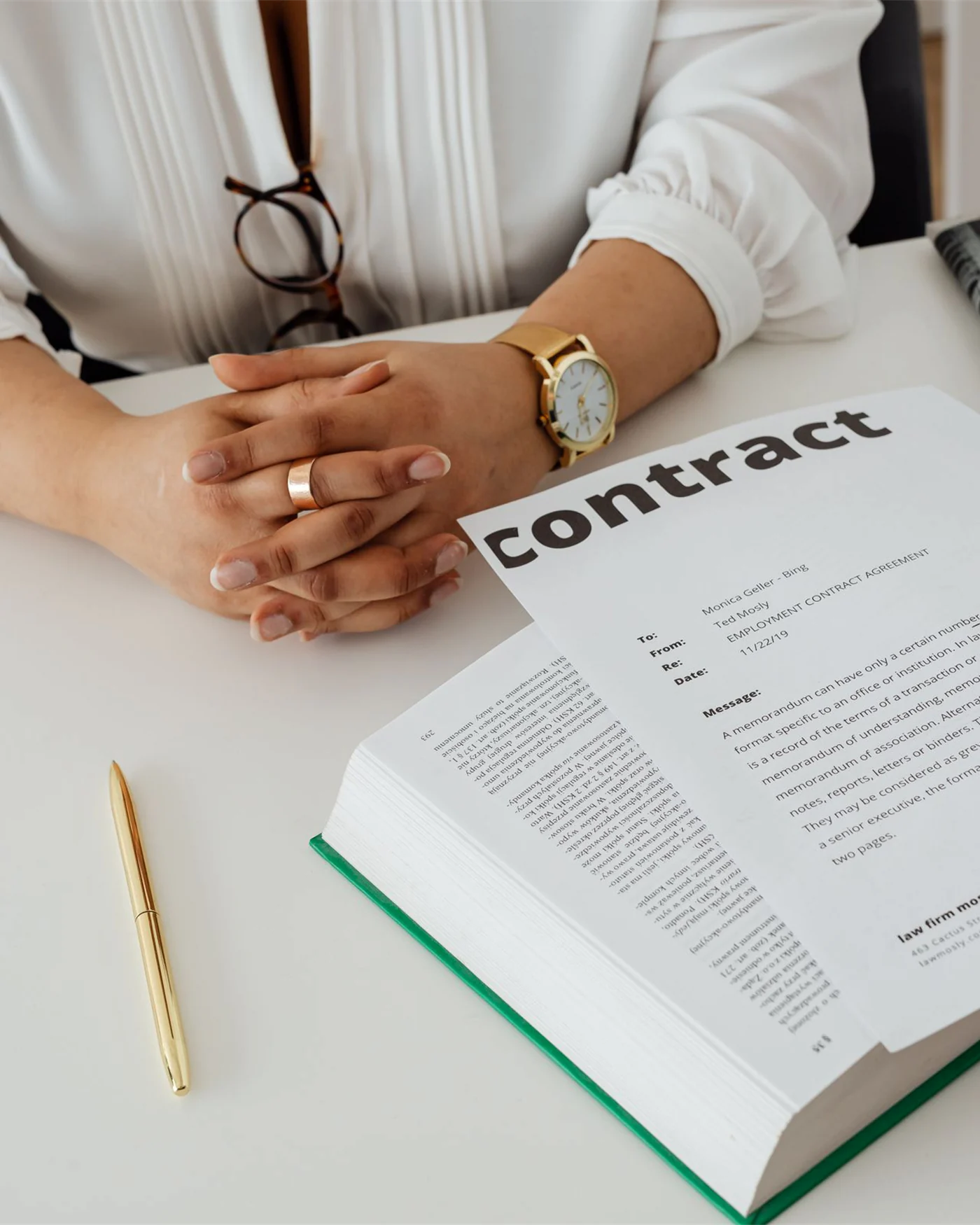
Disputes may arise when businesses buy and sell goods or other assets.
A purchase dispute may concern defects in the goods, delayed or failed delivery, price, payment or whether the goods comply with the requirements of the agreement.
Questions may also arise regarding notice of defects, repair, replacement delivery, price reduction, cancellation and damages.
We represent both buyers and sellers in business-to-business purchase disputes.

Reliable deliveries are essential to many commercial relationships. A delayed, incomplete or defective delivery may have significant financial consequences for the businesses involved.
Supply and delivery disputes may concern:
In major supply relationships, a disruption may also affect the company’s own customers and other parts of its operations.
It is therefore often important to act quickly and document the alleged defects or delays.
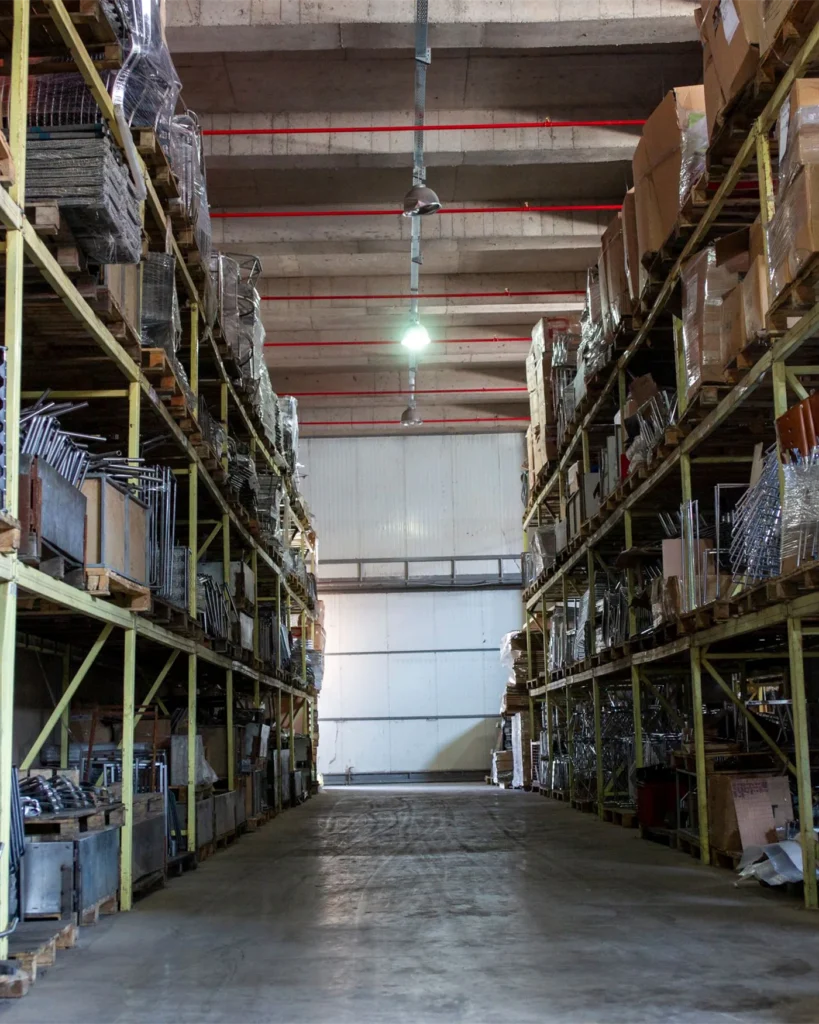
Unpaid invoices and disputed debts are common causes of commercial disputes.
A business may have delivered goods or performed services without receiving payment. The opposing party may argue that the performance was defective or that it has a counterclaim.
A payment dispute may concern:
We assist businesses in pursuing disputed payment claims and also represent companies defending themselves against claims they consider unjustified.

Corporate disputes may arise within or in connection with a company and may involve shareholders, the company itself, directors or other persons associated with the business.
A dispute may concern corporate decisions, shareholders’ agreements, financial transactions, financing arrangements, transfers of shares or alleged losses caused to the company.
Corporate disputes can be particularly complex because company law, contract law and financial issues may need to be considered together.
We assist companies and business owners in assessing the situation and developing a strategy for resolving the conflict.

When several individuals or companies own a business together, disagreements may arise regarding the management of the business or the respective rights and obligations of the owners.
A dispute may concern:
Ownership disputes can quickly affect the company’s operations. It may therefore be important to find a legally and commercially sustainable solution before the conflict escalates.

The acquisition or sale of a company or business is normally governed by detailed contractual documentation.
After completion, the buyer and seller may disagree about warranties, the financial position of the company, information provided before the acquisition or the calculation of the purchase price.
Disputes may concern:
We represent both buyers and sellers in disputes arising from business acquisitions and transfers.

Construction disputes may arise between clients, contractors, subcontractors and other parties involved in a project.
The dispute may concern defects, delays, payment, additional work, variations or liability for financial losses.
These disputes can involve extensive technical, contractual and financial documentation.
We assist clients in analysing the agreement, the documentation and the financial claims and represent them in negotiations and legal proceedings.

For businesses operating from rented premises, the commercial lease can be essential to the operation of the business.
Disputes between landlords and commercial tenants may concern:
We represent both landlords and businesses renting commercial premises.

Businesses frequently use distributors, commercial agents and resellers to market and sell products and services.
When the commercial relationship breaks down, disputes may arise regarding sales, remuneration, exclusivity, territories, customer relationships or termination of the agreement.
Disputes may also arise when a long-standing relationship ends and the parties disagree about financial claims following termination.
We assist businesses in analysing their agreements and handling disputes arising from distribution, agency and reseller relationships.
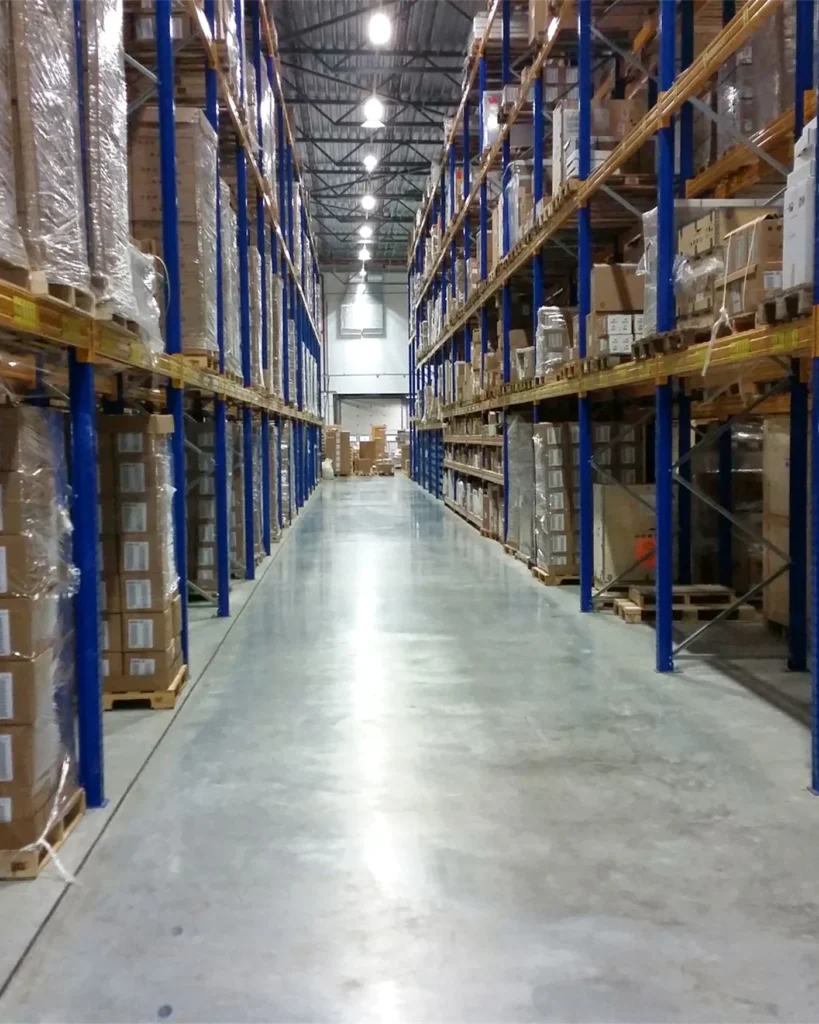
Franchise agreements often contain detailed provisions governing how the business is to be operated, the use of trademarks, fees, marketing and other obligations.
A conflict may arise where one party alleges that the other has failed to comply with the franchise agreement.
A franchise dispute may concern breach of contract, fees, termination, competition, use of trademarks or financial claims following the end of the franchise relationship.
We represent businesses in negotiations and legal proceedings involving franchise disputes.

A breach of contract or other legally relevant conduct may result in a claim for damages.
However, establishing that the opposing party acted incorrectly may not in itself be sufficient. A party claiming compensation will normally also need to establish the financial loss and the necessary connection between the conduct giving rise to liability and the loss suffered.
Damages claims can therefore require detailed financial analysis and evidence.
We assist companies in analysing both the basis for liability and the calculation of financial claims.

Evidence is often decisive in determining how a commercial dispute develops and is ultimately resolved.
Relevant evidence may include:
The evidence should be analysed in relation to the particular facts that need to be established.
We help clients identify the central evidential issues and determine which documentation and other evidence are relevant to each part of the dispute.

The way a company acts at the beginning of a commercial conflict can affect the subsequent dispute.
It is often important to collect and preserve relevant documentation and review the agreement for contractual rights, obligations and applicable deadlines.
A company should also consider the legal consequences before making significant statements, terminating agreements or taking other measures that may affect its position in future proceedings.
An early legal assessment can clarify which claims may be pursued, which arguments can be expected from the opposing party and which options are available.

A commercial dispute does not always need to result in court proceedings.
Many business conflicts can be resolved through structured negotiations. A settlement can reduce costs and uncertainty and allow the parties greater control over how the dispute is resolved.
Negotiations should, however, be based on a clear legal assessment. Before evaluating a settlement proposal, the company should understand the strength of its position, the opposing party’s arguments and the risks associated with continuing the proceedings.
We represent companies in commercial negotiations and assist in drafting settlement agreements when an agreement is reached.

If a commercial dispute cannot be resolved through negotiation, it may become necessary to commence court proceedings.
Commercial litigation requires clearly formulated claims and legal grounds together with a considered strategy for legal argument and evidence.
We represent businesses throughout the proceedings – from the statement of claim or defence to written submissions, preparatory hearings, the main hearing and judgment.
We also continually assess whether there are opportunities for settlement or other solutions that may be commercially appropriate for the client.

Many commercial agreements contain arbitration clauses requiring future disputes to be determined through arbitration rather than ordinary court proceedings.
Arbitration is particularly common in major commercial agreements, business acquisitions, shareholders’ agreements and international business relationships.
When a dispute arises, it is therefore important to determine whether the agreement contains an arbitration clause and which procedural rules apply.
We represent companies as both claimants and respondents in commercial arbitration proceedings.

The appropriate method of resolving a commercial dispute depends on the circumstances and on what the parties have agreed.
In some cases, the forum has already been determined through an arbitration clause or another dispute resolution provision.
In other situations, the company may need to decide whether to pursue the claim through court proceedings or explore the possibility of a negotiated solution.
Relevant considerations may include:
We help clients assess these factors and develop a strategy for the continued handling of the dispute.

Commercial disputes may also arise between businesses established in different countries.
Cross-border disputes can involve additional issues concerning governing law, jurisdiction, arbitration agreements and the recognition and enforcement of judgments or arbitral awards.
It is therefore important to analyse the commercial agreement and its dispute resolution provisions at an early stage.
Advantage Law Firm assists Swedish and international companies with commercial disputes connected to Sweden and Swedish law.


Advantage Law Firm has been practising law for more than 18 years and has extensive experience in business law, contract law and qualified dispute resolution.
We represent companies and business owners in commercial conflicts involving contractual disputes, financial claims, corporate disputes, business acquisitions and other business-related legal matters.
Our experience in both negotiation and legal proceedings enables us to assess commercial disputes from several perspectives.
At an early stage, we analyse not only the legal claims that may be pursued but also the available evidence, cost exposure, the opposing party’s likely arguments and the commercial consequences of the available options.
Our objective is to provide the client with a clear understanding of its legal position and a well-considered strategy for resolving the dispute.

Advantage Law Firm has extensive experience in business law, commercial agreements and dispute resolution.
We handle a broad range of business disputes and can address legal, financial and commercial issues within the same matter.
We analyse the legal position, contractual documentation, evidence, the opposing party's position and the financial risks before determining the strategy for the dispute.
Where a commercially reasonable resolution is possible, we represent the client in negotiations and assist in preparing the settlement agreement.
If an agreement cannot be reached, we can pursue or defend the client's claims in court proceedings or arbitration.
We assist businesses in Stockholm and throughout Sweden as well as international companies involved in commercial disputes connected to Sweden and Swedish law.

We review the agreement, the factual background, the financial circumstances and the available documentation.
We assess the client's claims or defences, the evidence, the opposing party's likely arguments, cost exposure and the available options.
We represent the client in communications with the opposing party, pursue or defend claims and explore the possibility of reaching a negotiated solution.
If the dispute cannot be resolved through negotiation, we can represent the client throughout court proceedings or arbitration.
Speak to a Lawyer in Stockholm Today
Get clear legal advice within minutes. Confidential consultation
with an experienced Swedish lawyer, no obligation.
Reviews
What Our Clients Say


 Trustindex verifies that the original source of the review is Google.
 Trustindex verifies that the original source of the review is Google.
 Trustindex verifies that the original source of the review is Google.
 Trustindex verifies that the original source of the review is Google.
 Trustindex verifies that the original source of the review is Google.
 Trustindex verifies that the original source of the review is Google.
 Trustindex verifies that the original source of the review is Google.
 Trustindex verifies that the original source of the review is Google.
 Trustindex verifies that the original source of the review is Google.
 Trustindex verifies that the original source of the review is Google.
A commercial dispute is a legal conflict arising from a business relationship. It may involve a dispute between companies concerning a contract, payment, delivery, business acquisition, ownership issue or another commercial matter.
Commercial dispute is a broader term covering different types of business-related conflicts. A contract dispute more specifically concerns the parties’ rights and obligations under an agreement.
The company should review the relevant agreement and preserve important documentation at an early stage. It may also be necessary to consider notice requirements, limitation periods and other deadlines that could affect the company’s rights.
Yes. Many commercial disputes are resolved through negotiation and settlement. If the parties can reach an acceptable agreement, the dispute does not need to be finally determined by a court or arbitral tribunal.
Obtaining legal advice at an early stage can be particularly important before substantial claims are made, agreements are terminated or other measures are taken that may affect the company’s legal position.
This depends on the nature of the dispute. Agreements, emails, invoices, payment records, delivery documentation, accounting records, minutes and witness testimony are examples of evidence that may be relevant.
There is no fixed timeframe. A negotiated solution may sometimes be reached relatively quickly, while complex court proceedings or arbitration can take considerably longer.
The cost depends on factors such as the complexity of the dispute, the amount of documentation, the extent of negotiations and whether the matter proceeds to court or arbitration. The potential cost exposure should therefore be considered at an early stage.
In Swedish civil proceedings where the parties are free to settle the matter, the general rule is that the unsuccessful party must reimburse the successful party for reasonable litigation costs. There are exceptions, and the allocation of costs may also be affected where the parties succeed only in part.
Court proceedings are determined by a court, while arbitration is decided by a private arbitral tribunal. Commercial agreements may contain an arbitration clause requiring disputes to be resolved through arbitration rather than ordinary court proceedings.
Yes. The parties can continue negotiating and reach a settlement during ongoing court proceedings or arbitration.
Yes. Advantage Law Firm assists Swedish businesses and international companies with commercial disputes connected to Sweden and Swedish law.

Contact a Commercial Dispute Lawyer
Has your company become involved in a commercial dispute, or has a customer, supplier, business partner, shareholder or other commercial counterparty made a claim against your business?
Advantage Law Firm can help you analyse the agreement, financial claims, opposing arguments and evidence and develop a clear strategy for resolving the dispute.
We assist throughout the entire process – from the initial legal assessment and negotiations with the opposing party to settlement, court proceedings or arbitration.