
Legal Advice and Representation in Construction Disputes
Advantage Law Firm assists clients, contractors, subcontractors, property owners and businesses with construction disputes and other legal matters relating to construction and commercial projects.
A construction dispute may arise during a project, after completion or in connection with final inspection and financial settlement. Disputes may concern defective work, delays, variations and additional work, payment, withheld amounts, inspections, warranties or damages.
Construction disputes often involve extensive contractual, technical and financial documentation. It is therefore important to identify the applicable contractual terms, the relevant events and the available evidence at an early stage.
Advantage Law Firm represents clients throughout the entire matter – from the initial legal assessment and negotiation to settlement, court proceedings or arbitration.
REQUEST LEGAL ADVICE
A construction dispute is a legal conflict arising in connection with construction, installation, renovation or other contractual works.
A dispute may arise between an employer and contractor, between a main contractor and subcontractor or between other parties participating in a project.
Construction disputes can involve legal, technical and financial issues at the same time.
Assessing the dispute normally requires consideration of the construction contract, applicable standard terms, technical descriptions, drawings, meeting minutes, variation documentation, invoices and correspondence.
Construction disputes can arise at many different stages of a project.
Common causes include:
The parties’ rights and obligations depend on the construction contract and the contractual rules incorporated into the project.
The construction contract is the starting point for assessing a construction dispute.
The agreement may regulate:
Commercial construction projects in Sweden frequently incorporate standard contractual terms.
It is important to determine precisely which contractual provisions apply and whether the parties have made amendments or project-specific additions.

AB 04 and ABT 06 are commonly used standard terms in Swedish commercial construction and engineering projects.
AB 04 is generally associated with construction contracts where the employer is primarily responsible for design, while ABT 06 is used for design-and-build contracts where the contractor normally assumes broader responsibility for both design and execution.
The applicable contractual structure can significantly affect the allocation of responsibility in a dispute.
Project-specific amendments may also have been incorporated into the contract documents. The entire contractual framework should therefore be reviewed rather than the standard terms in isolation.
Defects are a common source of construction disputes. The employer may argue that the work does not comply with the contract, technical requirements or the agreed performance.
Disputes may concern:
The legal assessment requires comparison between the contractual requirements, the work actually performed and the relevant allocation of responsibility.
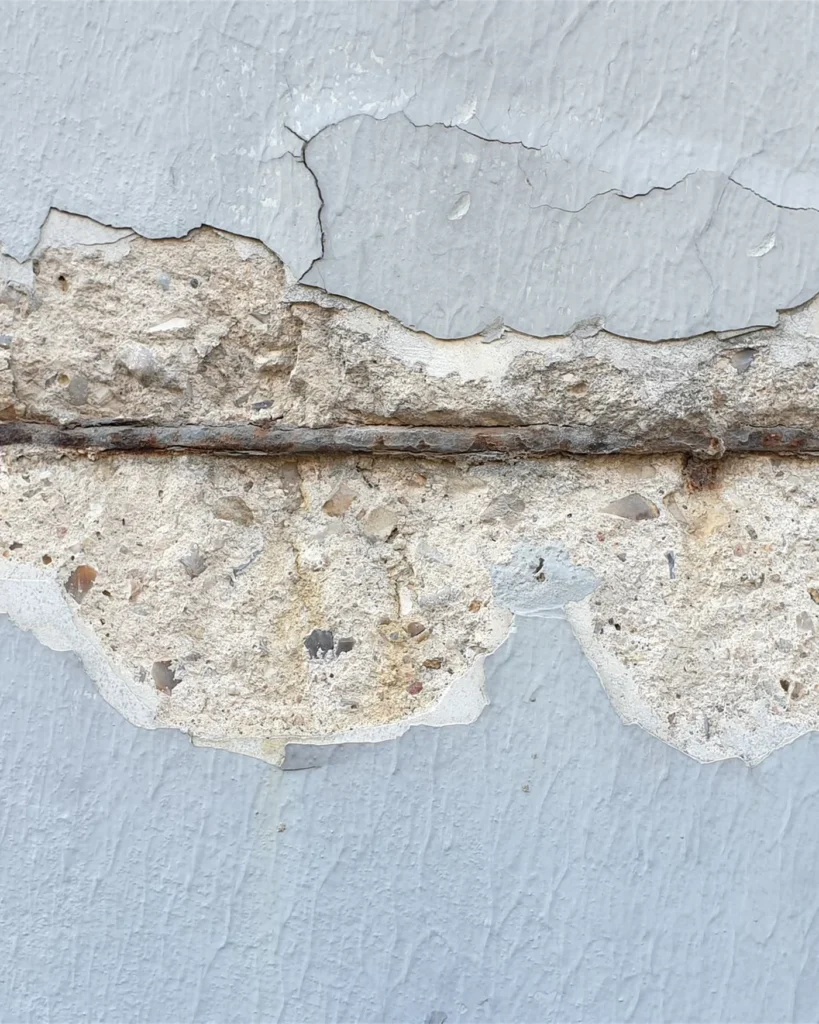
Where a defect has been identified, questions often arise as to whether the contractor should be allowed or required to rectify it.
Disputes may concern:
The parties should consider the contractual procedure before taking further steps.
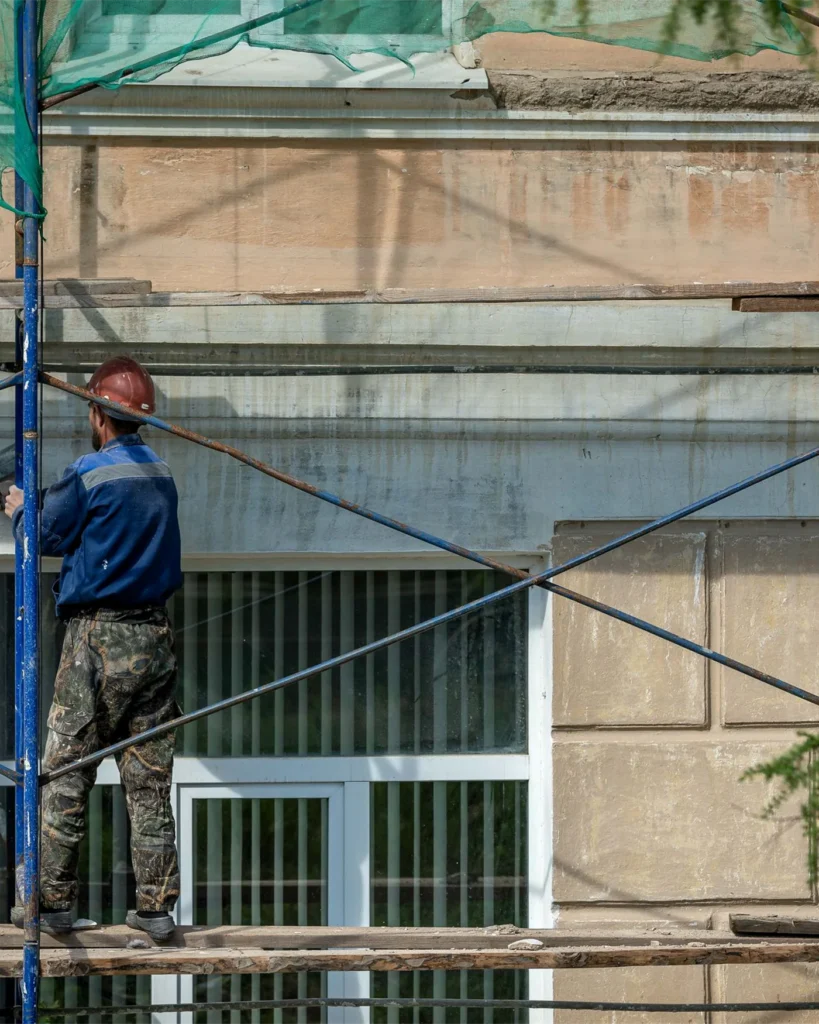
Delays can have significant financial consequences for both employers and contractors.
An employer may depend on a building, property or facility being available for use by a particular date.
A delay dispute may concern:
It is often important to document impediments, changes to the programme and other circumstances affecting the project timeline.
When several individuals or companies own a business together, disagreements may arise regarding the management of the business or the respective rights and obligations of the owners.
A dispute may concern:
Poor documentation can make variation disputes particularly difficult.
Instructions, notices and the financial consequences of changes should therefore be documented throughout the project.

Payment disputes are common in construction projects. A contractor may claim that completed work has not been paid for, while the employer may argue that invoices are incorrect or that there are defects, delays or counterclaims.
Disputes may concern:
We represent both employers and contractors in construction payment disputes.

An employer may in certain circumstances seek to withhold payment because of alleged defects or other contractual breaches.
The contractor may argue that the employer has no right to withhold all or part of the invoiced amount.
Both the legal basis and the amount withheld need to be assessed.
Excessive withholding can itself become a significant payment dispute.
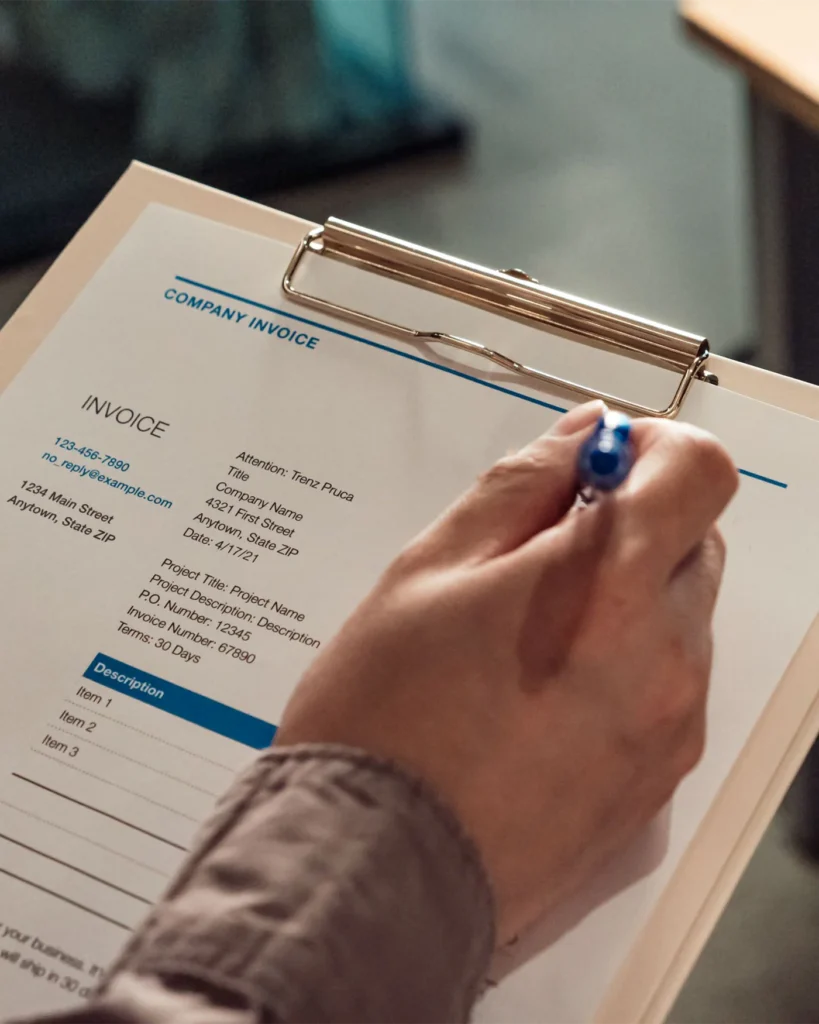
Inspections frequently play an important role in construction disputes.
Final inspection may affect whether the works are approved and which defects are formally recorded at completion.
Other inspections may include:
Inspection reports may constitute important evidence but should be considered together with the contract and the broader technical documentation.

Construction disputes may arise after the works have been completed and approved.
Defects may be discovered during a warranty period or later.
The parties may disagree about responsibility, whether the defect falls within the warranty, when it arose and whether the claim was made within the applicable time limits.
The relevant contractual warranty provisions and deadlines should therefore be reviewed carefully.
Construction contracts may provide for agreed penalties in the event of delay.
If completion occurs after the contractual deadline, the employer may claim the contractual delay penalty where the requirements are satisfied.
Disputes may concern:
Delay provisions should be analysed together with the programme and evidence concerning impediments and extensions of time.

Construction disputes may involve significant damages claims.
An employer may claim the cost of rectifying defects, additional costs caused by delay or other financial loss.
A contractor may also claim that conduct by the employer caused financial loss.
A damages claim normally requires consideration of:
Technical and financial evidence can be particularly important.

Termination is a serious measure that brings the contractual relationship to an end before completion.
Significant circumstances are therefore normally required before termination is legally justified.
An unjustified termination can itself result in substantial financial claims.
Before terminating a construction contract, the agreement, alleged breach and surrounding circumstances should be carefully assessed.
Construction disputes do not only arise between the employer and main contractor.
A main contractor may have claims against a subcontractor concerning defects, delays or other failures.
The subcontractor may have payment claims or disputes concerning variations and the scope of its work.
These disputes must be assessed under the agreement between the particular parties and may involve contractual provisions different from those governing the main contract.
As a construction project approaches completion, the parties’ financial relationship must normally be finalised.
Disputes may arise concerning the final invoice, deductions, variations, withheld amounts, penalties and other financial claims.
A final account may contain numerous items and require a systematic review of the entire project’s financial documentation.
We assist businesses in assessing which items are justified and which objections may be available.

Construction disputes are often highly document-intensive.
Relevant evidence may include:
An early review of the documentation can be crucial in determining which allegations can be established.
When a dispute arises, relevant documents and evidence should be secured as early as possible.
Particular attention should be given to:
A company should also be cautious about terminating the contract, suspending work or withholding substantial payments without first considering the legal consequences.

Construction disputes can become extensive and costly.
There may therefore be good reasons to explore whether all or part of the dispute can be resolved through negotiation.
A settlement may address:
Any settlement should be documented carefully so that the scope of the agreement is clear.

Where the parties cannot reach an agreement, the dispute may need to be determined by a court.
Construction litigation can involve complex legal, technical and financial questions.
We assist clients in structuring claims, legal grounds and evidence and represent them throughout the proceedings.

Construction contracts may contain arbitration clauses requiring disputes to be determined through arbitration.
The agreed forum should therefore be checked before proceedings are commenced.
Arbitration is frequently used in substantial commercial construction disputes and involves the dispute being determined by arbitrators rather than the ordinary courts.
We represent clients in commercial arbitration involving construction matters.

Advantage Law Firm has been practising law for more than 18 years and has experience in business law, contract law, property law, construction law and qualified dispute resolution.
We assist employers, contractors, property owners and businesses in disputes concerning construction contracts, defects, delays, variations, payment and damages.
Construction disputes often require legal, technical and financial issues to be analysed together. We therefore work systematically with the contractual documents, technical material, financial claims and evidence.
Our litigation experience enables us to represent clients from the initial legal assessment and negotiations through to court proceedings or arbitration.

Advantage Law Firm has extensive experience in commercial agreements, property-related matters and dispute resolution.
We analyse the construction agreement, standard terms and the wider contractual documentation together.
Construction disputes often involve substantial technical material. We work systematically with both the legal issues and technical evidence.
We assist employers, contractors, subcontractors, property owners and other commercial parties.
We seek commercially sustainable solutions where possible and represent clients in court or arbitration where necessary.
We have experience in substantial disputes involving significant financial values, technical evidence and complex contractual issues.

We review the construction agreement, contract documents, factual background and available evidence.
We identify the central issues, analyse the contract and review the technical and financial evidence.
We pursue or defend claims and represent the client in negotiations with the opposing party.
If settlement cannot be reached, we represent the client throughout the legal proceedings.
Speak to a Lawyer in Stockholm Today
Get clear legal advice within minutes. Confidential consultation
with an experienced Swedish lawyer, no obligation.
Reviews
What Our Clients Say


 Trustindex verifies that the original source of the review is Google.
 Trustindex verifies that the original source of the review is Google.
 Trustindex verifies that the original source of the review is Google.
 Trustindex verifies that the original source of the review is Google.
 Trustindex verifies that the original source of the review is Google.
 Trustindex verifies that the original source of the review is Google.
 Trustindex verifies that the original source of the review is Google.
 Trustindex verifies that the original source of the review is Google.
 Trustindex verifies that the original source of the review is Google.
 Trustindex verifies that the original source of the review is Google.
A construction dispute is a legal conflict arising in connection with construction, installation, renovation or other contractual works. It may concern defects, delays, payment, variations or additional work.
AB 04 is a set of Swedish standard contractual conditions commonly used in commercial construction projects where the employer is generally responsible for the design.
ABT 06 is a set of Swedish standard contractual conditions commonly used for design-and-build projects, where the contractor normally assumes broader responsibility for both design and execution.
These are changes, additions or omissions to the originally agreed works. Disputes often concern whether work was included in the original scope, whether it was properly ordered and the contractor’s entitlement to additional payment.
Responsibility depends on the construction contract, project structure, cause of the defect and the surrounding circumstances. An individual assessment is therefore required.
In certain situations, an employer may be entitled to withhold payment. Whether payment can be withheld and the appropriate amount depend on the agreement and circumstances.
Delay may give rise to issues concerning extensions of time, contractual penalties, damages and other remedies. The assessment depends on the cause of the delay and the contract.
A delay penalty is an agreed contractual amount or calculation that may become payable if the contractor fails to complete the works on time and the contractual requirements are satisfied.
Final inspection can be important in determining completion, approval of the works and recorded defects. The inspection report may also become important evidence in a later dispute.
Termination may be possible in serious circumstances. Because termination is a significant legal measure, the contractual and legal basis should be assessed before action is taken.
Construction agreements, drawings, technical descriptions, variation documentation, programmes, meeting minutes, invoices, inspection reports, photographs and expert evidence may all be relevant.
Early legal advice is often appropriate, particularly before work is suspended, the contract is terminated, substantial payments are withheld or significant financial claims are made.

Contact a Construction Dispute Lawyer
Has your company become involved in a construction dispute concerning defects, delays, variations, payment, inspection or damages?
Advantage Law Firm assists employers, contractors, subcontractors, property owners and businesses in analysing construction agreements, technical documentation, financial claims and evidence.
We provide legal support throughout the entire process – from the initial assessment and negotiations to settlement, court proceedings or arbitration.